Our oceans are home to some of the most diverse ecosystems on the planet, from vibrant coral reefs and tropical fish to turtles, sharks and marine mammals. They help regulate the Earth's climate, support millions of livelihoods and produce over half of the oxygen we breathe. Yet these incredible environments are under increasing pressure from climate change, pollution and habitat loss.
Gapforce marine conservation programmes offer the chance to be part of the solution. Whether you're surveying coral reefs, collecting valuable scientific data or helping to protect vulnerable marine species, you'll gain hands-on experience while supporting projects working to safeguard our oceans for the future.
Whether you're planning a gap year, considering a career in marine science or simply looking for a more meaningful way to travel, Gapforce marine conservation programmes offer the opportunity to develop new skills, explore spectacular destinations and make a genuine contribution to conservation.
What does a marine conservation volunteer do?
Marine conservation is about far more than spending time in the ocean. Volunteers support a wide range of conservation projects, working alongside experienced teams to monitor marine ecosystems, collect important research and help protect some of the world's most vulnerable coastal environments.
Depending on the Gapforce programme you choose, you could find yourself:
Surveying coral reefs and recording marine life
Monitoring reef health and biodiversity
Supporting sea turtle conservation projects
Assisting with scientific data collection
Taking part in beach and coastal clean-ups
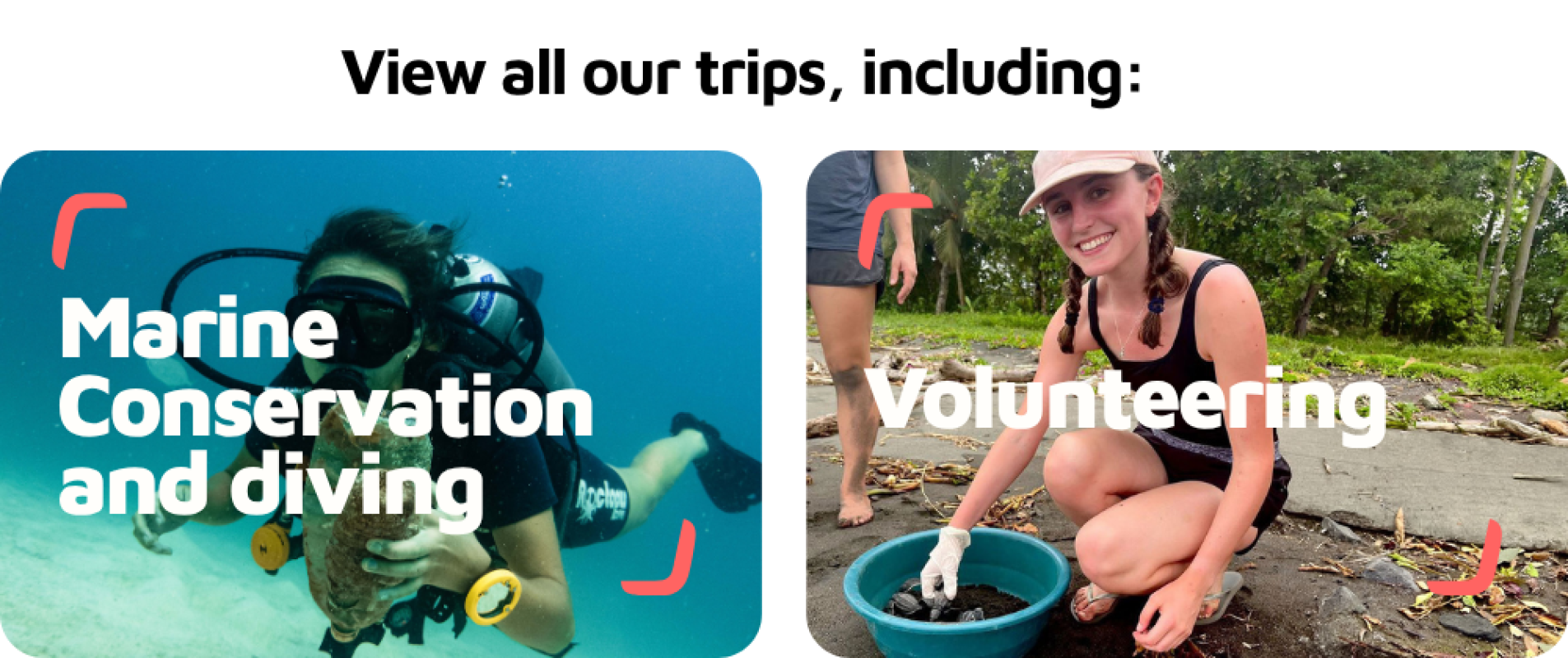
Learning to scuba dive or developing your diving qualifications
Engaging with local communities through environmental education
Every Gapforce programme is different, but they all share the same goal: helping to protect marine environments through responsible, long-term conservation.
Do you need experience?
Not at all.
Many people assume marine conservation volunteering is only for experienced divers or marine biology students, but that's rarely the case. All Gapforce marine conservation programmes are designed to welcome beginners, providing all the training and support you need before heading into the field.
If you're keen to learn to dive, many Gapforce programmes include internationally recognised scuba training before you start participating in underwater conservation work. Others focus on coastal conservation and wildlife monitoring, meaning you can make a real impact without ever needing to put on a scuba tank.
For those looking to take things further, there are also programmes that combine marine conservation with Divemaster training or specialist marine science experience, making them ideal for anyone considering a future career in the sector.
How to choose the right Gapforce marine conservation programme
With so many conservation projects around the world, choosing the right one can feel overwhelming. The best programme isn't simply about the destination – it's about finding a project that matches your interests, experience and long-term goals.
Choose a programme with genuine conservation impact
At Gapforce, we partner with projects that contribute to ongoing scientific research, habitat restoration and marine protection, working alongside local conservation organisations to create lasting environmental benefits.
Think about what you want to achieve
Are you hoping to:
Learn to scuba dive?
Build your confidence underwater?
Gain practical marine science experience?
Develop professional diving qualifications?
Spend your gap year making a positive impact?
Whatever your goal, Gapforce offers programmes designed to help you achieve it.
Consider your experience level
You don't need any previous conservation or diving experience to get started. All Gapforce marine conservation programmes welcome complete beginners, while some also offer opportunities to develop more advanced research and diving skills as you progress.
Our top marine conservation opportunities
Whether you're looking to earn your first scuba qualification, develop professional diving skills or gain hands-on marine science experience, Gapforce offers a range of marine conservation programmes designed to suit different interests and experience levels. Each project combines meaningful conservation work with the opportunity to explore some of the world's most spectacular marine environments.
Thailand Marine Conservation
Our Thailand Marine Conservation programme combines warm waters, colourful coral reefs and incredible biodiversity with hands-on conservation experience, making it one of the best places to begin your marine conservation journey.
Working alongside experienced conservation teams, you'll learn about tropical marine ecosystems while contributing to reef surveys, species identification and coral reef monitoring. These activities provide valuable data that helps scientists better understand and protect fragile marine habitats.
Beyond the conservation work, you'll also develop new skills, meet like-minded travellers and gain a deeper appreciation of the challenges facing our oceans.
Looking to take your diving even further? If you're already a certified diver or want to build a career in the diving industry, you can extend your experience by combining the programme with PADI Divemaster training. As well as continuing your conservation work, you'll work towards a globally recognised professional diving qualification, developing the leadership and practical skills needed to become a Divemaster.
Gain a recognised diving qualification while contributing to meaningful marine conservation projects.
Costa Rica Marine Scientist Training
Our Costa Rica Marine Scientist Training programme is ideal if you're interested in the science behind marine conservation and want to develop practical field research skills.
You'll gain experience in ecological surveying, species identification, scientific data collection and marine research techniques while working alongside experienced marine professionals. It's an opportunity to learn how conservation science is carried out in the field while contributing to projects that support the long-term protection of Costa Rica's remarkable marine environment.
The programme is ideal for anyone looking to strengthen their knowledge of marine ecology while gaining practical experience that complements future study or careers in conservation.
Want to combine science with professional diving? Our Marine Scientist Training with Divemaster pathway allows you to work towards your PADI Divemaster qualification alongside your research training, giving you both scientific field experience and a respected professional diving certification.
Other ways to support marine wildlife
Marine conservation isn't limited to coral reefs. Around the world, volunteers also play an important role in protecting endangered marine species and preserving coastal ecosystems.
Bali Sea Turtle Conservation
Our Bali Sea Turtle Conservation programme focuses on protecting one of the ocean's most iconic species.
Working alongside local conservation teams, volunteers help care for nesting beaches, monitor turtle nests and support hatchling releases when conditions are right. You'll also learn about the challenges sea turtles face, from plastic pollution to habitat loss, and how local conservation initiatives are helping to protect future generations.
Sri Lanka Turtle Conservation
Sri Lanka's coastline provides vital nesting habitat for several endangered sea turtle species.
On our Sri Lanka Escape programme, volunteers support local conservation efforts through activities such as monitoring nesting beaches, assisting at turtle hatcheries and helping to protect nests from natural and human threats. Along the way, you'll gain a deeper understanding of the importance of coastal conservation and the role local communities play in safeguarding marine wildlife.
Is marine conservation volunteering worth it?
Absolutely – but the benefits extend far beyond the time you spend in the water.
A Gapforce marine conservation programme gives you the chance to travel with purpose, contribute to meaningful environmental projects and develop skills that stay with you long after your adventure ends.
Depending on the project you choose, you could:
Build confidence through new challenges and outdoor adventure.
Develop practical skills in scuba diving, marine research and conservation techniques.
Gain experience that supports future study or careers in marine science, conservation or environmental management.
Meet like-minded people from around the world.
Experience some of the planet's most spectacular marine environments while making a positive impact.
Whether you're looking for a once-in-a-lifetime gap year experience or taking your first steps towards a career in conservation, marine volunteering offers the opportunity to learn, grow and give something back.
Frequently asked questions
Is marine conservation volunteering ethical?
Ethical marine conservation programmes focus on long-term environmental protection, scientific research and community involvement rather than offering wildlife experiences purely for tourism. Always choose projects that prioritise conservation outcomes and work alongside experienced local partners.
Can beginners volunteer in marine conservation?
Yes. All Gapforce marine conservation programmes welcome beginners and provide the training needed before taking part in conservation activities. Some also include scuba training as part of the experience.
Do I need to know how to scuba dive?
No. Some programmes include scuba certification, while others involve coastal conservation, turtle monitoring or environmental education that doesn't require diving at all.
Can marine conservation volunteering help my career?
It can. Marine conservation programmes help develop transferable skills such as teamwork, leadership, communication and problem-solving, while more specialist programmes can provide valuable experience in marine science, ecological surveying and professional diving.
How long should I volunteer for?
Programmes vary from a couple of weeks to several months. If you're looking to gain practical conservation experience or complete diving qualifications, longer programmes often provide the greatest opportunity for personal and professional development.
Where is the best place to volunteer for marine conservation?
The best destination depends on your goals. Thailand is ideal for volunteers looking to experience coral reef conservation and tropical marine life, while Costa Rica offers more research-focused opportunities alongside professional marine science training. If your passion lies in protecting endangered species, sea turtle conservation projects in Bali and Sri Lanka provide a rewarding way to support marine wildlife conservation.
Whether you're looking for your first conservation experience or want to build professional marine science skills, Gapforce has a marine conservation programme to match your goals. From beginner-friendly reef conservation in Thailand to advanced Marine Scientist Training in Costa Rica, you'll gain practical skills, unforgettable experiences and the opportunity to make a genuine contribution to protecting our oceans.
 Follow us