
When schools and colleges plan overseas educational trips, they're looking for more than just a change of scenery. The best expeditions combine curriculum-linked learning, personal development, cultural immersion and experiences that stay with students long after they return home.
That's exactly what Tanzania delivers.
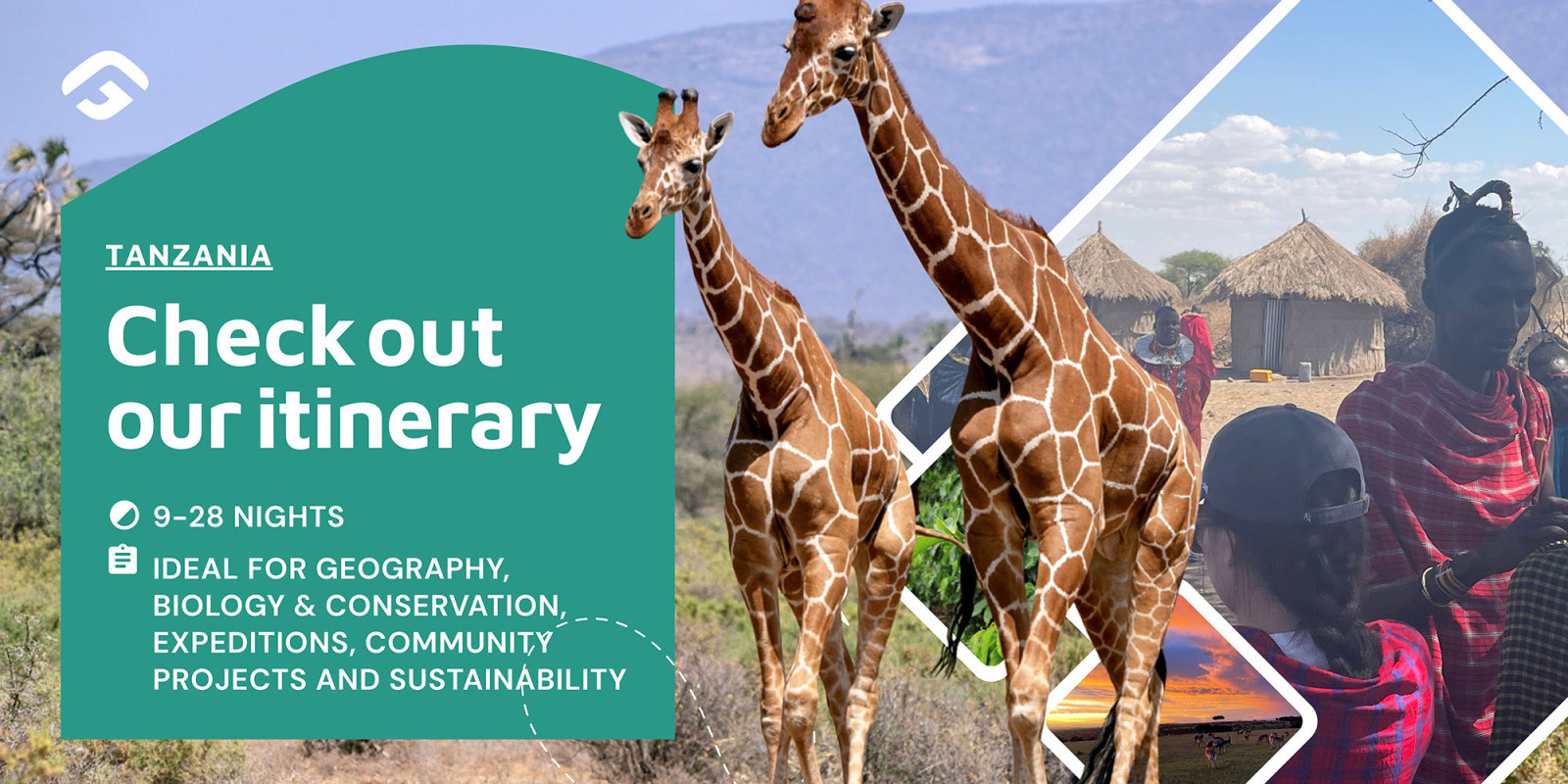
From conducting real wildlife surveys and exploring the Rift Valley to collaborating with local schools and experiencing life in a Maasai community, Tanzania offers students the opportunity to step beyond the classroom and engage with the world in meaningful ways.
At Gapforce, we've designed our Tanzania expedition to bring learning to life through conservation, culture, adventure and sustainability. Here are five reasons why it should be on every sixth form and college's shortlist.
1. Students become real conservation scientists
Textbooks can teach students about ecosystems and biodiversity. Tanzania allows them to experience these concepts first-hand.
Students don't simply observe wildlife; they actively participate in conservation fieldwork. During the expedition, they learn wildlife surveying techniques from experienced conservation professionals before conducting their own field studies using walking and driving transects.
For biology, environmental science and geography students, this creates a direct connection between classroom theory and real-world application.
As our expert guide in Tanzania, Dom, explains:
"Where we are located is fascinating in terms of the biology as well as the geography. You can quite often see Kilimanjaro and the biodiversity in the area is just fantastic. There's so much wildlife... 600 species of bird. Just yesterday we were driving down the road and there was a herd of elephants on the left hand side."
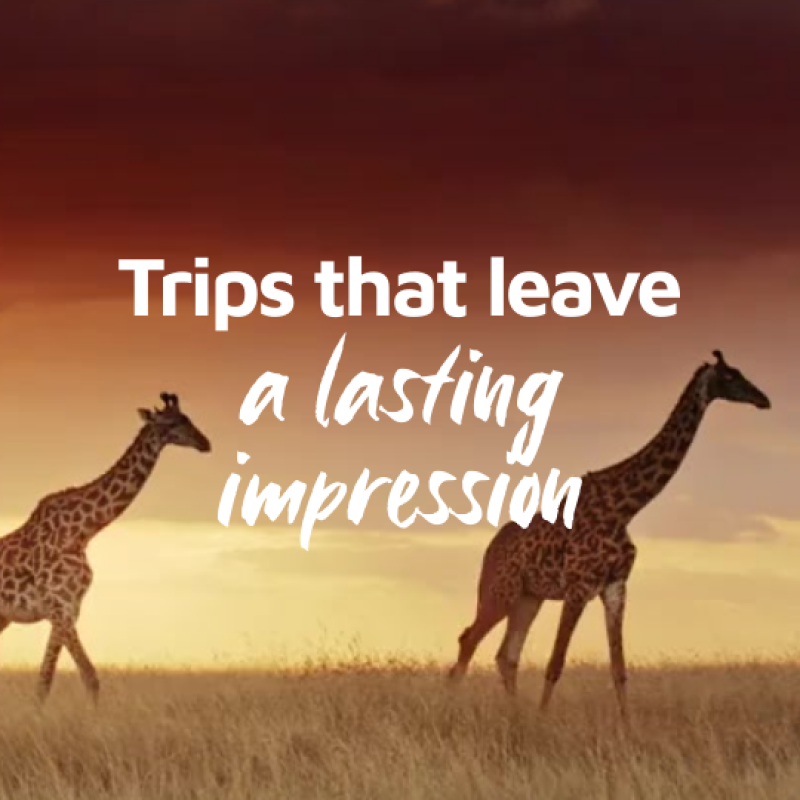
It's difficult to imagine a more engaging classroom than one where elephants, giraffes and hundreds of bird species form part of the lesson.
2. The classroom moves to the Rift Valley
One of the most powerful aspects of educational travel is seeing academic concepts come to life.
Tanzania provides an extraordinary setting for students studying geography, biology and environmental science. Throughout the expedition, students explore the landscapes and ecosystems surrounding Lake Manyara and the Great Rift Valley, learning about geology, biodiversity and environmental change through direct observation.
A hike along the Rift Valley escarpment reveals breathtaking views, diverse flora and fauna, waterfalls, and opportunities to understand the forces that have shaped one of the world's most significant geological features.
The location itself is a learning opportunity.
"We're based just on the Rift Valley escarpment on the edge of the national park."
Instead of reading about ecosystems in a textbook, students are immersed within them. Instead of studying biodiversity from diagrams, they encounter it in the wild.
Experiences like these strengthen scientific curiosity, critical thinking and a deeper appreciation of the natural world.
3. Cultural exchange creates Global Citizens
Educational expeditions should broaden horizons, not just geographically, but culturally too.
Throughout the programme, students spend time engaging with local communities, including visits to a Maasai village and collaborative activities with local secondary school students. They participate in sporting activities, cultural exchanges, storytelling sessions and traditional welcome ceremonies, gaining authentic insights into life in Tanzania.
These experiences encourage students to develop empathy, communication skills and cultural awareness while broadening perspectives.
As our expert guide explains:
"Another big part of our ethos is that we really want to engage in the communities that we spend time in."
Students learn about traditional Maasai lifestyles, sustainable living practices and local customs directly from community members themselves. Through conversations, shared activities and genuine interaction, they gain an understanding of cultures that cannot be replicated in a classroom setting.
In an increasingly interconnected world, these experiences help students develop the confidence and global outlook that universities and employers increasingly value.
4. Sustainability isn't just taught – it's practised
Sustainability has become an important part of modern education, but understanding environmental responsibility requires more than classroom discussion.
In Tanzania, students see sustainability in action.
They explore sustainable farming practices in local communities, learn about food production systems, discover biogas technology and gain insight into how local people balance economic development with environmental stewardship.
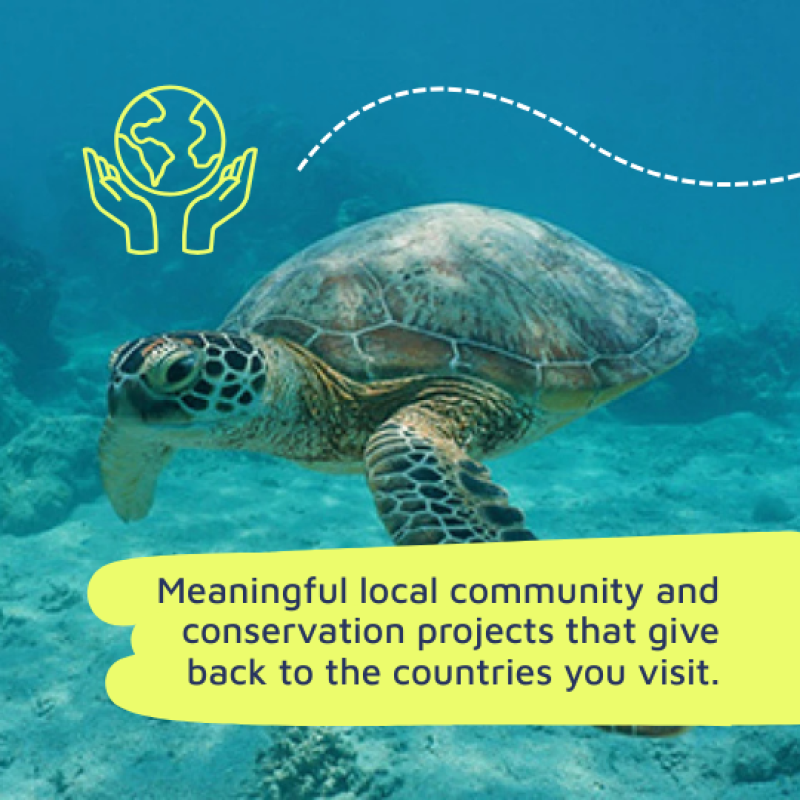
Students also participate in a tree-planting project alongside local secondary school students, contributing directly to environmental initiatives within the community.
As our expert guide explains:
"We like to create itineraries that reflect the importance of sustainability. For example, trying to reduce the amount of time we spend on the road, the amount of time we travel from places. We will always try and stay in accommodation that has similar values to us and are sustainable as much as possible."
The commitment extends beyond the itinerary itself.
"Every trip that we do, we plant trees to try and offset our carbon footprint."
These experiences help students understand sustainability not just as a concept, but as a practical responsibility that affects communities, ecosystems and future generations.
5. Students return home more confident, independent and inspired
The greatest outcomes of educational travel are often the ones that can't be measured on an exam paper.
Travelling internationally, adapting to new environments, living and working alongside people from different backgrounds, and embracing unfamiliar challenges all contribute to significant personal growth.
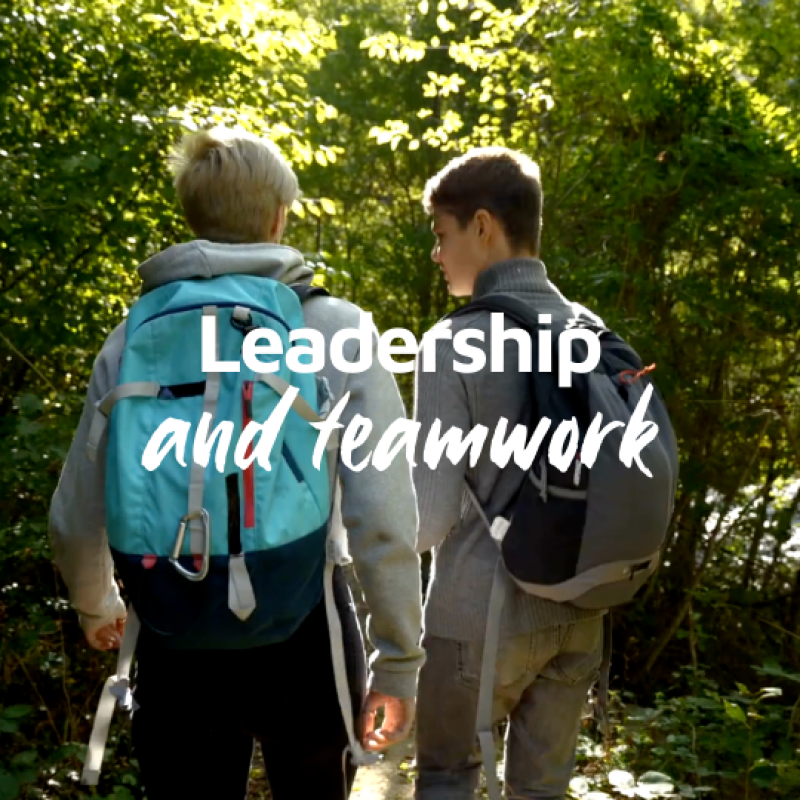
Over ten days, students develop resilience, adaptability, teamwork, communication skills and self-confidence. They learn how to navigate new situations, support one another and engage positively with the world around them.
Whether they're conducting wildlife surveys, hiking through the Rift Valley, planting trees with local students or spotting elephants on safari, every experience helps build independence and character.
The result is a trip that students remember for years – not simply because of what they saw, but because of how it changed them.
As our expert guide concludes:
"The more you put into the different activities, the more you're going to get back out of it. Be proactive, get stuck in and make the most of it."
Why schools trust Gapforce in Tanzania
Planning an overseas school expedition comes with significant responsibility, which is why safety, preparation and support are at the heart of everything we do.
Every Tanzania expedition is led by qualified Gapforce leaders with experience working with young people, first aid training and extensive local knowledge. They are supported by trusted local guides, project coordinators and drivers who help deliver safe, authentic and enriching experiences throughout the programme.
We hold the Learning Outside the Classroom (LOtC) Quality Badge for overseas expeditions and our school trips are independently assessed for compliance with BS8848 standards for overseas visits and adventurous activities, providing schools with confidence that robust safety procedures are in place.
From the initial planning stages through to departure, travel and post-trip feedback, our team works closely with schools to create a seamless experience for students, staff and parents.
A journey that lasts long after students return home
Tanzania is more than a destination. It's a living classroom, a conservation project, a cultural exchange and an opportunity for personal growth rolled into one unforgettable experience.
Students return home with a deeper understanding of the world, stronger interpersonal skills, greater confidence and memories that will stay with them for years to come.
For schools looking to combine curriculum-linked learning, sustainability, conservation, cultural immersion and adventure, Tanzania offers an educational expedition unlike any other.
 Follow us