
We all recognise the value school expeditions bring to Sixth Form students – and to teachers too. Beyond the classroom, these experiences help prepare young people for university, employment and the wider world by developing confidence, resilience and independence.
With increasing pressure on students to demonstrate more than exam results alone, ‘gap-style’ experiences are becoming increasingly attractive to young adults. From personal growth and cultural understanding to once-in-a-lifetime opportunities, students are seeking experiences that help them stand out and shape their future direction.
Traditionally, schools have followed reliable schedules of curriculum-focused trips that support syllabus learning whilst encouraging students to become well-rounded individuals. But, increasingly more schools are exploring ways to offer something even more immersive and transformational.
Enter the four-week ‘gap’ expedition.
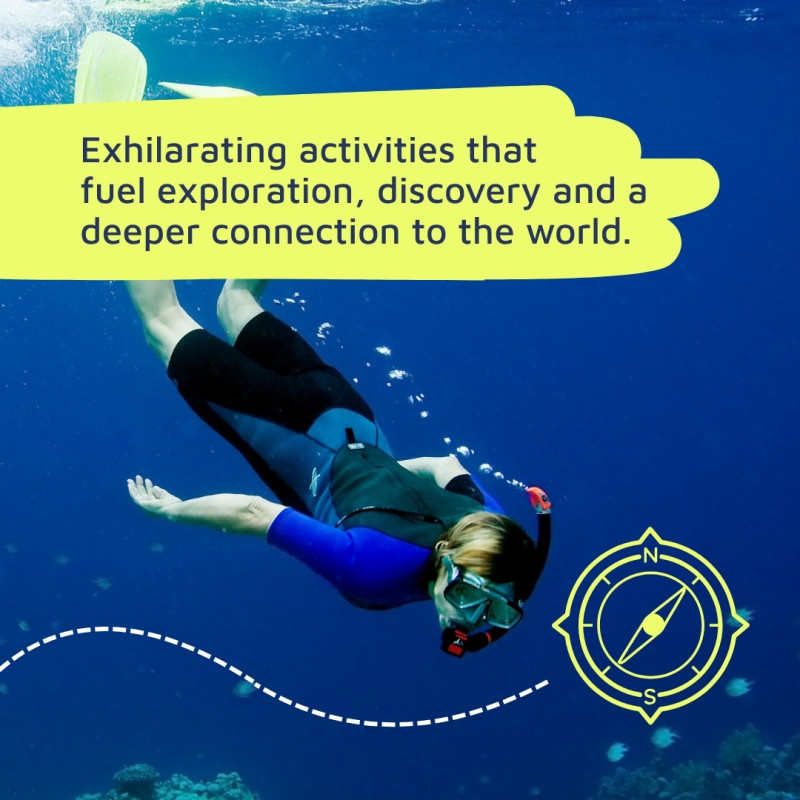
An extended experience allows students to step far beyond their comfort zones and fully immerse themselves in new cultures, environments and challenges. From remote communities and conservation projects to unforgettable adventures and meaningful teamwork, these experiences inspire students in ways shorter trips often cannot.
Students return with greater independence, deeper self-awareness and a renewed sense of ambition – qualities that universities and employers increasingly value.
As demand grows for more meaningful and impactful travel opportunities, schools are recognising the benefits of offering extended expeditions that help students broaden horizons, discover future aspirations and truly stand out from the crowd.
Many schools seeking something beyond the traditional trip model are enquiring about four-week ‘mini gap’ experiences for their Sixth Forms and Colleges. These programmes provide the perfect balance of adventure, challenge, cultural immersion and personal development at a pivotal stage in a young person’s life.
We’ve summarised why four-week school expeditions are, once again, becoming one of the fastest-growing trends in Sixth Form travel and the top five reasons students will benefit from them:
1. An introduction to travelling independently
A four-week ‘gap’ style experience gives students a safe and supported first taste of independence whilst still within the structure of school life. Stepping away from familiar routines helps students build confidence, resilience and adaptability – all essential qualities for university, employment and adult life.
Independence is learned through experience, and what better way to equip students for a bright future than through real-world adventure, responsibility and discovery?
2. An immersed experience of a new culture
Unlike shorter trips, a four-week expedition allows students to move beyond being visitors and become fully immersed in a destination’s culture, environment and way of life.
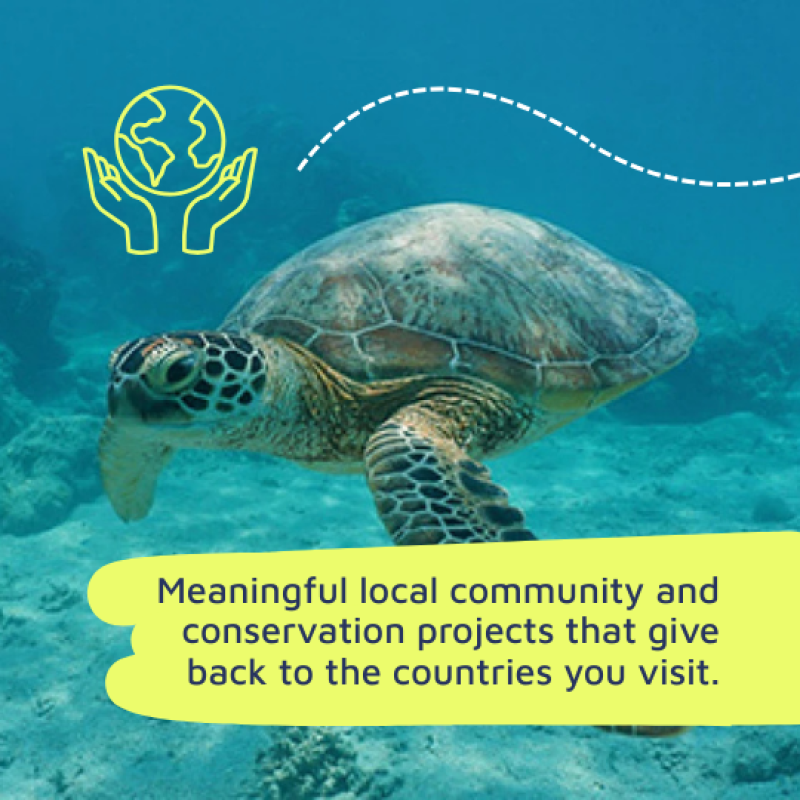
Whether working alongside local communities, exploring conservation projects or experiencing life in remote locations, students gain a deeper understanding of global issues, cultural diversity and sustainability. The extended duration also develops maturity, communication skills and self-reliance in ways a shorter experience cannot replicate.
3. Inspirational friendships, connections and memories that last forever
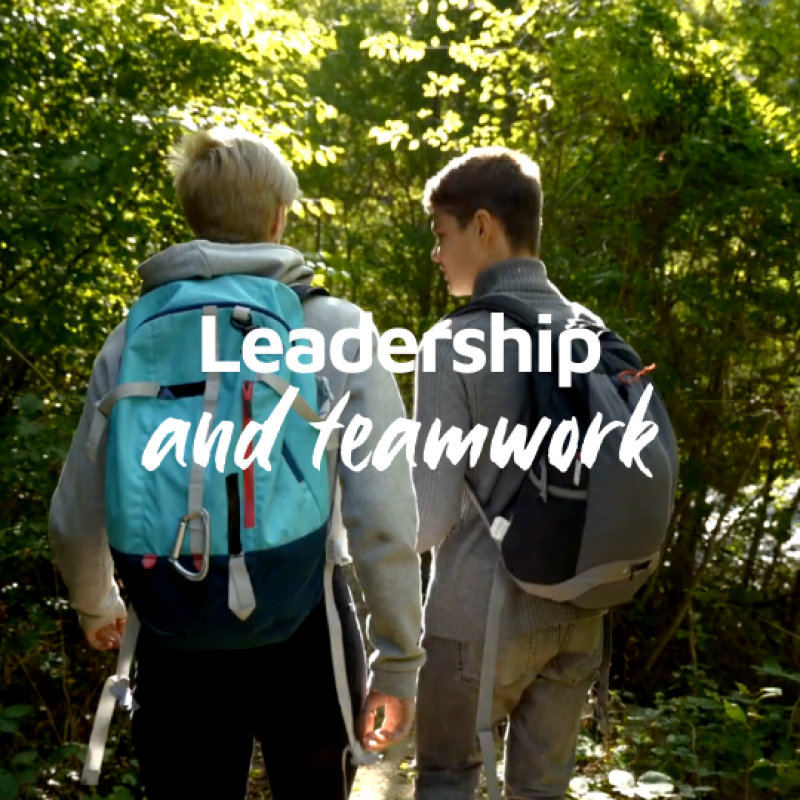
There’s something transformational about sharing meaningful experiences as a team over an extended period of time. Students return with lifelong memories, stronger friendships and a renewed sense of confidence and belonging.
Living as a community, supporting one another, taking responsibility and working together towards shared goals; these experiences often become defining moments in a young person’s life.
4. Added value for UCAS applications and CVs
Universities and employers are increasingly looking beyond grades alone. A four-week expedition demonstrates commitment, initiative, resilience and a willingness to step outside of comfort zones.
Students can showcase real-life experiences that evidence teamwork, leadership, problem-solving and cultural awareness – helping them stand out in competitive applications and interviews. It reflects a meaningful investment in personal growth and purposeful use of time outside the classroom.
5. Greater depth of knowledge and application to current and future studies
Extended expeditions create opportunities for students to connect classroom learning with real-world experiences. Whether linked to Geography, Biology, Environmental Science, Psychology or broader personal development, students gain hands-on insight that deepens understanding and inspires future ambitions.
By experiencing environments, cultures and challenges first-hand, students return more engaged, motivated and better prepared for further education and future careers.
Interested? Get in touch to find out how we can adapt and create bespoke itineraires based on your requirements. We have developed such expeditions to countries such as Vietnam and would love to share these with you.
Look out for our next blog on why schools are embracing the four-week Sixth Form expedition and why your school should consider offering them…


 Follow us